Main Pillars of Umrah: Key Rituals and why they Matter
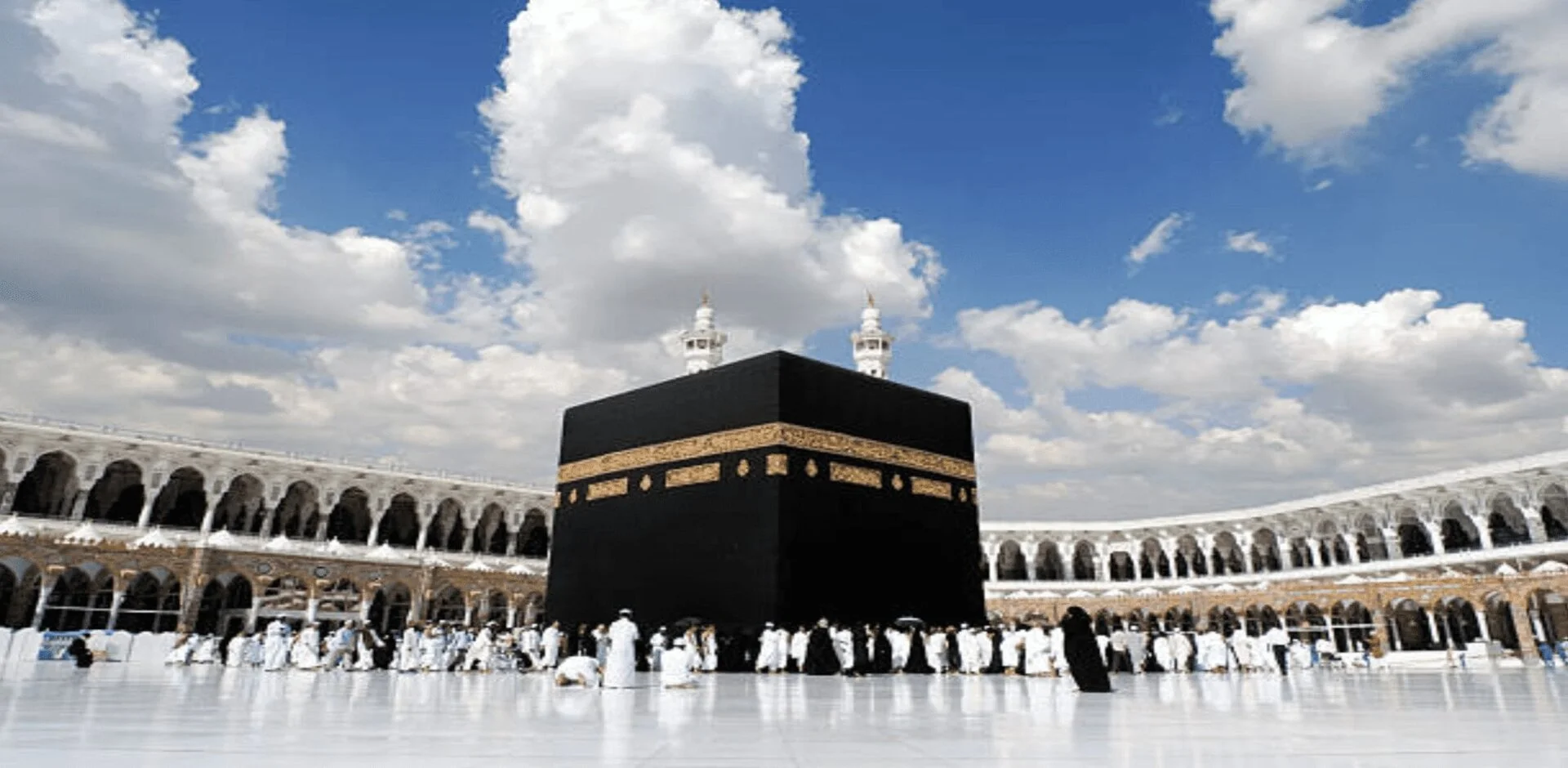
Umrah is a ritualistic and sacred journey to Makkah for spiritual cleansing and strengthening connection with Allah (SWT). Often termed as a ‘minor pilgrimage’, this act of worship can be performed at any time of the year to attain reward and seek forgiveness and blessings. In this article, we will shed light on the main pillars of Umrah and their religious importance to help you prepare yourself for this spiritual journey ahead of time.
Purpose of Performing Umrah
The purpose of performing this soul-lifting Sunnah of the Holy Prophet (SAW) is to rejuvenate your faith, seek spiritual renewal, express gratitude, and pray to Allah (SWT) for blessings. Umrah is an act of worship that offers not only personal but also social and collective benefits. It fosters unity among people of different ethnic regions by drawing them to one sacred spot to please the Creator. Moreover, it promotes self-discipline, humility, and gratitude by serving as a reminder to whom we all belong. Allah has mentioned in the Quran:
“Whoever wants (by his deeds) the harvest of the Hereafter, We increase for him in his harvest (in terms of reward), and whoever desires the harvest (reward) of this world (by his deeds), We give him thereof, but there is not for him in the Hereafter any share.” [Al-Shoorah 42:20].
Following are the sayings of Allah and the Holy Prophet (SAW) that highlight the importance and benefits of Umrah:
-
Being the Guest of Allah (SWT)-Abu Hurairah narrates that Prophet Muhammad (PBUH) said: “The guests of Allah are three: The Ghazi (i.e. the warrior who fights in Jihad), the Hajj (i.e. the pilgrim who performs Hajj) and the Mu’tamir (i.e. the pilgrim performing Umrah).” [Hadith No. 2626, Book of The Rites of Hajj, Sunan An Nasai, Vol. 3].
-
Protection from Sins and Poverty- Ibn e Masood (may Allah be pleased with him) narrated that the Prophet (PBUH) said “Follow up the Hajj and Umrah because they certainly remove poverty and sins as fire separates the impurities from iron, gold, and silver. There is no reward for an accepted Hajj except Paradise (Jannah)”.

-
Equivalent to Jihad- It is narrated by Abu Huraira (R.A.) that once the Holy Prophet (P.B.U.H.) said, “The Jihad of the elderly, weak and the woman is performing Hajj and Umrah.” [Hadith No. 2627, Sunan An-Nasa’i, Vol. 3].
Not only this but also According to Hazrat Aisha, wife of the Prophet Muhammad (PBUH), the Prophet said – “Whoever leaves his home solely for Hajj or Umrah and he dies, nothing will be presented to him nor will he have any liability on the Day of Judgment and it will be said to him, enter into Jannah.”
-
Equivalence to Hajj- Once the Holy Prophet (P.B.U.H.) said, “Umrah performed during Ramadan will equal (in terms of rewards) to Hajj or Hajj performed with me (P.B.U.H.).” [Bukhari, Muslim].
Main Pillars of Umrah
There are 4 main pillars of Umrah which are mentioned below:
1. Irham
Before starting Umrah pilgrims are required to enter a sacred state of mind and body known as ‘Irham’ which is marked by wearing specially designed clothes. Men are supposed to wear two white sheets of clothes while women can wear anything appropriate. Irham is required to be worn before entering Miqat (a place from where Irham starts). Besides clothing, there are certain prohibitions that every Muslim should abide by to attain spiritual purification. Not only this but also this state symbolizes unity and equality among the believers.
2. Tawaf
The second step after completing Irham for Umrah is Tawaf, which is marked by circumambulating Kaabah in the anticlockwise direction seven times. Pilgrims are required to recite duas and Talbiyah whilst circling Kaabah to get close to Allah (SWT). Tawaf is one of the principle steps of both Hajj and Umrah which represents the devotion and complete submission to Allah in harmony.
3. Saee
Saee is the third step in the Umrah procedure which highlights the struggles and faith of Hazrat Hajra, the wife of Prophet Ibrahim (AS), in search of water for her son. Pilgrims take seven rounds between two hills, Safa and Marwa, whilst reciting duas to seek Allah’s help and mercy. This step symbolizes the struggles we face in everyday life and offers a solution by teaching us to remain steadfast and keep remembering Allah in times of adversity to be rewarded in the best ways possible.
4. Tahallul
The last step in performing Umrah is ‘Tahallul’ which marks the completion of the sacred pilgrimage. Men and women both are required to perform this step by cutting their hair to some length in the case of women and shaving completely in the case of men. All the restrictions and prohibitions implemented before are lifted upon completion of this step. Pilgrims can also change to their normal or casual clothes.
These four steps must be completed in the right order to mark your Umrah successful and reap maximum benefits. In case you are unaware of the minute details of Umrah or Hajj, you can refer to our meticulously and carefully crafted guide on ‘How to Perform Umrah’ and ‘How to Perform Hajj’.
Frequently Asked Questions (FAQs)
Q. What are the don’ts of Irham?
A. Once you enter the state of Irham, you are not allowed to engage in any sexual or abusive activity, hunting, shaving, or cutting nails.
Q. When do you make the Niyah of Umrah?
A. The Niyah for Umrah is made before entering Miqat, a place where Irham starts. Then one is advised to repeatedly recite certain duas and Talbiyah to seek forgiveness and blessings.
Q. Why do you circulate seven times around the Kaabah?
A. Circling seven times around Kaabah indicates the unity, submission, and completeness of Tawaf, the second step in performing Umrah. It also represents the spiritual significance of the number 7, commemorating Hazrat Hajra’s struggles, and shedding light on angels of heaven circling Allah’s house (Bayt al-Ma’mur).
Q. Do you know the location of Safa and Marwa?
A. In Makkah, Saudi Arabia, two minor ancient hills called Safa and Marwa are connected to two larger mountains called Abu Qubays and Qaiqan. To the south lies the hill of Safa, while to the north is Marwa.
Q. How to get your visa on time for Umrah?
A. If you wish to get your visa on time for Umrah then contact a reputable travel agency like tripplannerpk.com, complete your documents, get your passport, submit an early application, and then stay informed about any changes. Travel agencies like tripplannerpk.com ensure a seamless visa process and provide a complete guide to make your journey hassle-free and complete.
If you are looking for a more detailed article about “ How to Perform Hajj” click on this link tripplannerpk.com, Hajj Guide